The Legacy Protocol:
Why 90% of Fortunes Fail (And How to Fix It)
Escape The Clock Insights
We spend our entire careers building wealth. We toil, save, and sacrifice to ensure our family has a safety net. Yet, 90% of wealthy families lose their wealth by the third generation.

The old saying goes: “The first generation makes it, the second spins it, and the third blows it”.
Why does this happen? It isn’t because the next generation lacks intelligence or willpower. It is because we have failed to handle the succession planning. In the corporate world, if you hid the financial statements from the Board of Directors for decades and then suddenly handed them the keys to the company, the business would collapse. Yet, that is exactly what we do with our children.
We treat money as a taboo subject, hiding the numbers to “protect” them from the burden. But if you are building generational wealth, your children are the future CEOs of your legacy.
I recently sat down with John Knowlton, author of Thinking for Success, to discuss how to break this cycle by treating the family not just as a unit of affection, but as a unit of governance. Read on to learn how to engineer a legacy that actually lasts.
If you are building generational wealth, your children are the future CEOs of your legacy. So why are we treating them like the interns?
The Silence Trap
The biggest risk to your family’s financial future isn’t the market; it is silence. A Merrill Lynch study found that 52% of parents have never had a comprehensive conversation with their adult children about their net worth or inheritance plans.
We often stay silent out of fear—fear of spoiling them, or fear of our own shame regarding past mistakes. But by withholding the data, we are withholding the training. We expect our heirs to suddenly become wise stewards of capital the moment we pass away, despite having zero practice hours while we were alive.
We are essentially trying to “govern from the grave” using trust documents and legal restrictions. But legal documents cannot teach values. If you want your children to understand how to manage the family enterprise, they need access to the data today, not a surprise inheritance tomorrow.
Authority without information is blind.
Building a Family Legacy That Lasts
So how do we fix this? We move from a model of secrecy to a model of Shared Governance. This isn’t just a weekly allowance meeting; it is a formal operational structure designed to teach decision-making.
John shared his specific architecture for this:
1. The Family Board At the top is the Board, composed of a set number of family members (e.g., five) to ensure there is always a tie-breaker for voting. This group sets the high-level strategy: How much do we want to give away this year? What is our risk tolerance?
2. The Committee Structure Beneath the Board, you separate the work into two distinct committees to build specific skills:
- The Investment Committee: Their job is to manage the assets. They have to answer the question: “How do we generate enough cash flow to meet the Board’s goals?”.
- The Philanthropy Committee: Their job is to allocate the resources. They identify causes that align with the family mission and vet them for effectiveness.
3. The Feedback Loop The Board sets the goal (e.g., “Give away $X”), the Investment Committee executes the strategy to fund it, and the Philanthropy Committee deploys it. This creates a closed-loop system where every family member has a role and a responsibility.
By using this structure, the “Family LLC” becomes a training ground. You can invite adult children to sit on a committee before they sit on the Board. This allows them to learn the ropes—analyzing a real estate deal or vetting a charity—in a low-stakes environment before they are handed the full keys to the kingdom.
Is a legacy of money inheritance, without governance, a legacy at all?
The “Self-Reliance” Clause
The most common objection to sharing financial data with children is the fear of killing their ambition. We worry that if they know a safety net exists, they will never learn to walk on the tightrope.
John’s governance model mitigates this risk by clearly defining the Scope of the Budget. The family wealth is explicitly defined as a tool for posterity, not a fund for lifestyle.
His children understand that while they are board members managing millions, they are still responsible for their own rent, groceries, and careers. The family capital acts as a “friendly backstop” for bold ideas or emergencies, but it is not a checking account for daily expenses. By separating “Family Capital” (mission-driven) from “Personal Income” (lifestyle-driven), you ensure your children remain hungry partners rather than complacent dependents.
The family wealth is not intended to support the lifestyles of anybody in the family. It is to be a force for good for generations.
The Power of Documenting Failure
When we do talk to our children, we often curate our history to look like a straight line of success. But a polished résumé teaches nothing. If we want to prepare the next generation, we must be willing to share our scars, not just our trophies.
John noted that while people may be impressed by your success, they are impacted by your failures.
Did you take on too much credit card debt in your 20s? Did you make a bad investment? Share those stories. “Experience is the best teacher” is a half-truth; someone else’s experience is the best teacher because it allows you to learn the lesson without paying the tuition. By being vulnerable about the mistakes that led to the mess, you give your heirs the map to avoid the same rocks.
People are impressed with your success, but they are impacted by your failures.
Defining “Good Success”
Finally, we must ask ourselves what we are actually building. It is possible to achieve “Bad Success”—to reach the top of the mountain only to realize your ladder was leaning against the wrong wall.
If you multiply your net worth by 10x but destroy your relationship with your children in the process, you have failed. The goal of the Family Governance Protocol is not just to maximize the bank account; it is to maximize the family identity. It creates a space where money becomes a tool for connection rather than a source of division.
We want to be a force for good for generations, not just a source of cash for the weekend. By inviting our children into the conversation now, we ensure that the values transfer along with the value.
I’d rather be poor and have great relationships with my kids. Even better, I’d rather be rich and have great relationships with my kids.
Learn More
You don’t need a billion dollars to start a family board. You just need a dinner table. Start by asking two simple questions: “How was your day?” and “What do you need?”.
The conversation starts with connection. Once the trust is built, the governance can follow. Don’t wait until it is too late to train your successors. The meeting doesn’t have to be perfect, and the board doesn’t have to be formal. It just has to start. So open the books, share the stories, and invite them to the table.
Want to dive deeper? Listen now to my conversation with John Knowlton:
We have the opportunity to stop the cycle of “shirt sleeves to shirt sleeves.” We can choose to start our children not at our own goal line, but further down the field. By installing a governance system now, we aren’t just transferring money; we are transferring competence.
Don’t just escape the clock, teach your children how to live a clock-optional life.
About the Author
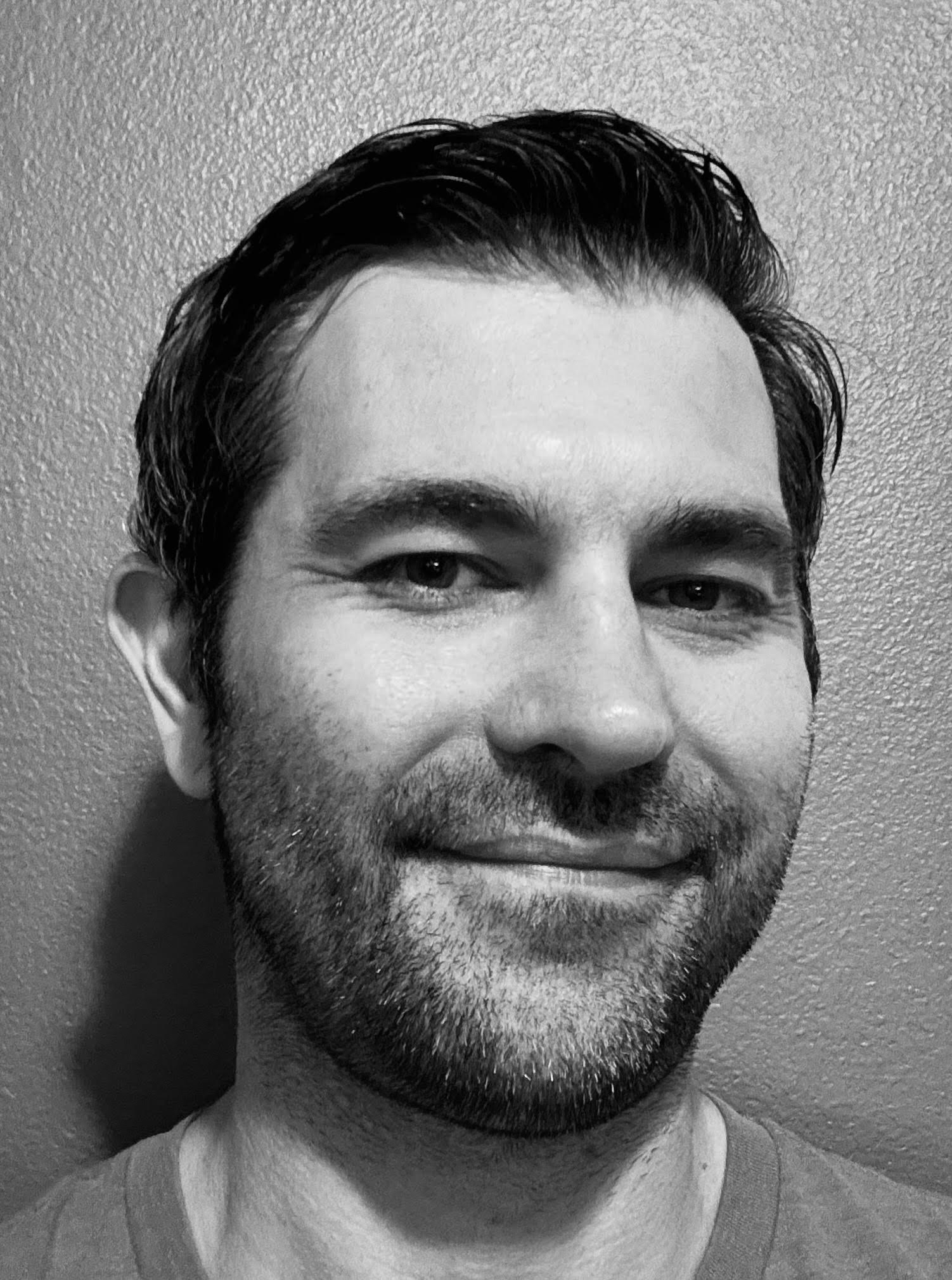
Daniel C. Rodgers is the author of Escape The Clock, the 2025 Best Retirement Book Winner and host of the Escape The Clock podcast.
“I wasn’t educated for this. I had no financial advantage. Quite the opposite, actually. I started with over $100k of debt and didn’t even know what a retirement account was. Yet, thanks to my career as a Program Manager, I learned the tools I needed to get organized and make that dream a reality.”
If you think this approach could work for you or you’re curious about other options, feel free to schedule a time to connect with me at www.escapetheclock.com. I’d be glad to help you explore the best path for your unique situation.